Geriatric Dentistry
Visit Your Lifelong Partner In Oral Health
Enjoy Comfortable Geriatric Dentistry in Oakhurst
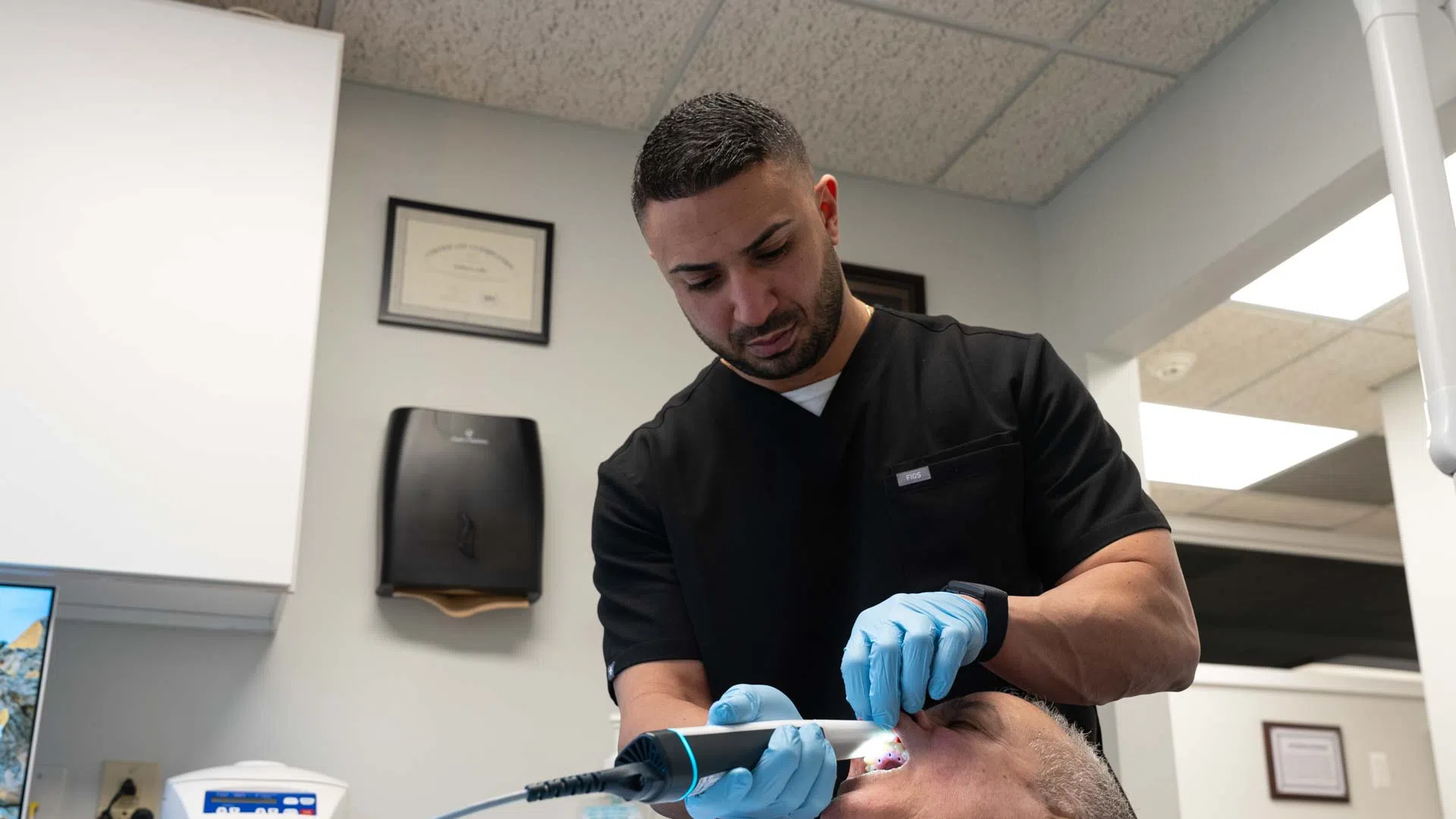
Senior dentistry focuses on the unique oral health needs that come with aging, from dry mouth and gum recession to worn teeth and tooth loss. As you get older, these concerns become more common and can affect both your comfort and your overall health. With a caring team experienced in geriatric dentistry in Oakhurst, you get thoughtful, unhurried care that addresses what matters most to you at this stage of life.
See How Age-Focused Dental Care Protects Your Long-Term Health
Your oral health needs change as you age, and the care you receive should shift with them. Older adults face a higher risk of gum disease, dry mouth, enamel wear, and tooth loss. All of these conditions can affect your ability to eat, speak, and feel confident. A dental team experienced with these concerns can catch problems early, recommend the right treatments, and help you hold onto your natural teeth as long as possible.
Early Problem Detection
Regular visits with a dentist familiar with age-related oral changes make it easier to catch gum disease, decay, and other concerns before they become serious. Staying ahead of these issues helps you avoid more involved treatment down the road and keeps your smile healthier longer.
Personalized Treatment
Older adults often manage medications, health conditions, and dental restorations that factor into their care. A geriatric-focused approach takes your full health picture into account. Every recommendation is tailored to what works best for your specific needs and comfort level.
Preserved Natural Teeth
Keeping your natural teeth as long as possible supports better chewing, clearer speech, and a more confident smile. With consistent preventive care and prompt attention to emerging concerns, you have a better chance of keeping more of your natural teeth well into your later years.
Take Charge of Your Oral Health With Geriatric Dental Care
Caring for your smile as you age begins with a thorough exam that takes your full health history into account. From there, we build a care plan around your specific needs, whether that means addressing gum disease, replacing missing teeth, or managing dry mouth and tooth sensitivity. Our team takes an unhurried approach so you always feel comfortable, making every visit as straightforward as possible.
For expert geriatric dentistry in Oakhurst, contact our office today.
Common Questions About Geriatric Dentistry
Q What is geriatric dentistry?
Geriatric dentistry focuses on the oral health needs of older adults, addressing age-related concerns like gum recession, dry mouth, enamel wear, and tooth loss. As your body changes with age, your dental care should adapt accordingly. This specialized approach ensures you receive treatment that accounts for your overall health, medications, and long-term comfort.
Q Why do oral health needs change as you get older?
Aging affects your mouth in several ways. Gum tissue can recede, enamel thins over time, and saliva production often decreases, raising your risk for decay and gum disease. Many medications common among older adults also contribute to dry mouth, which further increases the likelihood of cavities and other oral health complications developing over time.
Q How does dry mouth affect older adults' dental health?
Dry mouth reduces saliva, which your mouth relies on to neutralize acids and wash away bacteria. Without enough saliva, your risk for cavities, gum disease, and tooth decay increases significantly. Older adults are more prone to dry mouth due to medications and age-related changes, making regular dental monitoring especially important for catching problems early.
Q Can gum disease be more serious for older adults?
Gum disease tends to be more prevalent and harder to manage as you age. Left untreated, it can lead to tooth loss and has been linked to serious health conditions, including heart disease, diabetes, and stroke. Older adults benefit greatly from consistent preventive care and prompt treatment when early signs of gum disease appear.
Q What dental treatments are most common for older adults?
Older adults commonly need treatments addressing gum disease, tooth decay, worn enamel, and tooth loss. Restorative options like crowns, bridges, dentures, and dental implants help rebuild function and appearance. Preventive care, including thorough cleanings and regular exams, is essential at every age and forms the foundation of a good long-term oral health routine.
Q How does tooth loss affect overall health in older adults?
Missing teeth make chewing difficult, which can limit your diet and affect your nutrition. Tooth loss also causes the jawbone to shrink over time, changing your facial structure and making remaining teeth less stable. Replacing missing teeth with implants, bridges, or dentures helps preserve your bite, your appearance, and your overall quality of life.
Q How does oral health connect to overall health in older adults?
Poor oral health in older adults is closely linked to systemic conditions, including heart disease, diabetes, respiratory infections, and cognitive decline. Bacteria from gum disease can enter the bloodstream and contribute to inflammation throughout the body. Maintaining good oral health isn't just about your teeth — it plays a meaningful role in your overall well-being.
Q How often should older adults visit the dentist?
Most older adults benefit from dental visits every six months, though some may need more frequent care depending on their oral health status. Conditions like gum disease, dry mouth, or a history of frequent cavities may call for more regular monitoring. Your dental team will recommend a visit schedule based on your individual needs.